

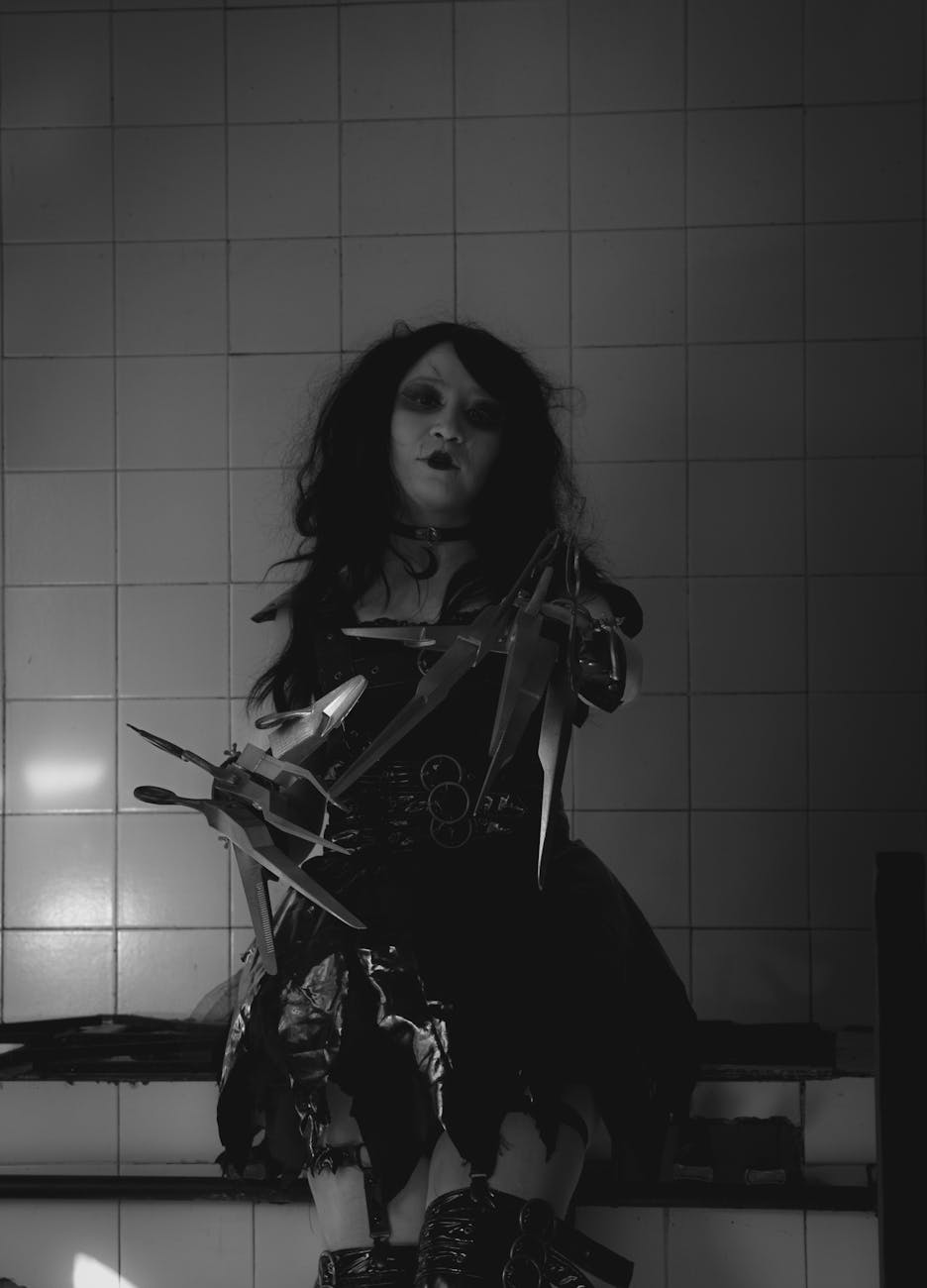
Horror Flux Nightmares: Terrifying Series That Keep Zone Audiences Up All Night
Horror Flux Nightmares represent a specific, modern phenomenon in televised entertainment—series that actively disrupt expectations, blend genres, and deliver a sustained level of visceral dread that embeds itself deep into the viewer’s subconscious. In an era saturated with content, these particular shows manage to cut through the noise, not just with cheap jump scares, but with sophisticated psychological terror, intricate world-building, and groundbreaking visual effects. For dedicated horror aficionados, these series are the new gold standard, often airing late or streaming exclusively in designated “zones” of content tailored for mature audiences willing to brave the darkness.
The allure of these disturbing serial narratives lies in their commitment to atmosphere. Unlike standalone movies that must resolve their terror in two hours, these multi-season arcs allow the dread to slowly coagulate, mirroring the persistent, inescapable nature of true fear. They manipulate pacing, deploy creeping dread rather than immediate shock, and often use ambiguity as their sharpest weapon.
The Evolution of Streaming Terror
The rise of premium streaming platforms fundamentally changed the landscape for horror content delivery. No longer constrained by network censors or rigid broadcast schedules, creators gained the freedom to explore darker, more complex themes. This autonomy fostered an environment where “horror flux”—the constant, unpredictable shifting of what scares us—became a creative mandate.
These series thrive on challenging conventions. We see the blending of social commentary with supernatural elements, the infusion of gritty realism into fantastical premises, and a willingness to let moral ambiguity dictate narrative outcomes. This flux keeps the audience perpetually off-balance. Just when you think you’ve identified the monster or the threat, the series pivots, revealing a deeper, often more relatable human flaw driving the terror.
Deep Dive into Signature Series That Define the Niche
Several recent series have cemented their place in the pantheon of must-watch, sleep-depriving content. These examples showcase the breadth of what modern horror flux entails:
The Slow Burn of Existential Dread
One hallmark of these successful nightmares is the commitment to a slow-burn narrative structure. These shows understand that anticipation is often more potent than confrontation. Take, for example, series focusing on cults or isolated communities where the horror is bureaucratic and insidious rather than purely monstrous. The audience watches, helpless, as the protagonist is slowly dismantled by societal pressure, gaslighting, and secrets that fester just beneath a veneer of normalcy. The “flux” here is the transition from believing the world is safe once the initial threat is gone, to realizing the everyday environment is the threat.
Navigating Supernatural Intensity and Character Depth
Another critical element separating these standout productions is how they handle character development alongside supernatural intensity. It is not enough for a monster to look terrifying; the audience needs to genuinely care about the people being tormented. Whether it’s an ancient entity or a newly born technological nightmare, the series invest heavily in depicting the psychological toll on their characters. This grounding in reality—showing the trauma, the PTSD, and the fraying sanity—is what makes the eventual scares truly resonate. When a character makes a poor, survival-driven decision, the audience understands the pressure that caused it, making the resulting catastrophe deeply personal.
Why These Offer Superior Horror Flux Nightmares
What truly separates these modern, high-quality horror outputs is their narrative audacity. They are unafraid to utilize complex timelines, unreliable narrators, and narrative structures that intentionally confuse the viewer, mirroring the confusion and disorientation experienced by the characters themselves.
This approach taps directly into what makes horror effective: the sensation of losing control. By forcing the audience into a state of constant questioning—Is that real? What is the timeline here? Who can be trusted?—the viewing experience becomes immersive to the point of psychological exhaustion. The lingering questions act like mental static long after the credits roll, ensuring the viewer remains awake, replaying confusing scenes and seeking answers that often remain tantalizingly out of reach.
Ethical Boundaries and the Future of the Zone
The success of these intense serial narratives has inevitably sparked discussions about ethical boundaries in content creation. When horror pushes into areas depicting extreme violence, psychological warfare, or deeply disturbing themes, the line between catharsis and exploitation becomes blurred. The designated “zone” where this content thrives often implies a mutual agreement between viewer and producer: this is designed to disturb, challenge, and potentially traumatize in a controlled medium.
The future of these Horror Flux Nightmares likely involves even deeper integration of interactive technologies and personalized storytelling arcs, where the boundaries between the viewer’s space and the show’s unsettling reality become even thinner—provided creators continue to prioritize genuine narrative quality over mere shock value. For those who seek the deepest, most unsettling dives into fictional terror, this evolving space offers an unparalleled, often sleepless, viewing experience.

