

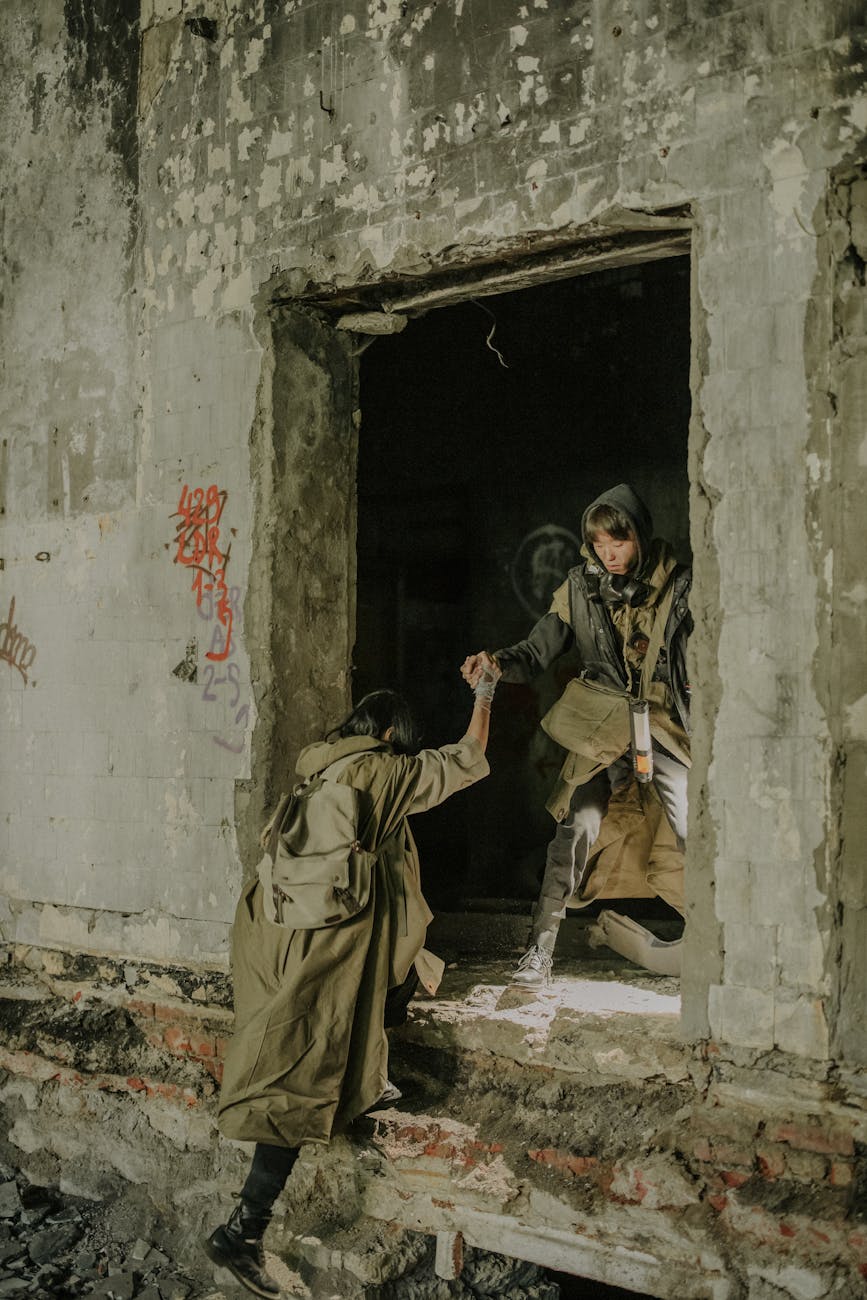
Survival Flux Intensity: Post-Apocalyptic Series Building Dedicated Zone Followings
Survival flux intensity is a critical, albeit often unspoken, element that determines the longevity and cultural impact of any successful post-apocalyptic narrative. This isn’t merely about the immediate threat of zombies or nuclear fallout; it’s the dynamic interplay between scarcity, psychological pressure, and the emerging social structures within the ruined world. For creators, understanding this intensity curve is the difference between a fleeting genre entry and a cultural phenomenon capable of building dedicated, lasting zone followings—true fan communities that invest deeply in the lore, characters, and established geography of their chosen ruined landscape.
The post-apocalyptic genre thrives on depicting humanity at its breaking point. While initial survival rates are dictated by immediate external threats (the horde, the radiation, the resource depletion), sustained engagement relies on internal conflict and the slow, arduous process of rebuilding—or redefining—civilization. When a series successfully maps out these fluctuating levels of danger and stability, it creates compelling narrative ‘zones’ that fans can latch onto, each feeling tangible and consequential.
Mapping the Dynamic Threat Landscape
A truly engaging post-apocalyptic world is never static. The danger level—the survival flux intensity—must evolve. In the opening stages, intensity is naturally high: shock, chaos, and the desperate search for immediate safety dominate. This phase validates the audience’s initial investment in visceral action and high stakes.
However, a long-running series cannot maintain peak chaos indefinitely; the survivors would simply perish. The next phase involves mitigation: establishing temporary havens, learning new survival skills, and encountering other groups. This moderation of flux allows for critical character development, deepening the emotional investment beyond mere adrenaline rushes. Fans begin to care not just about if the characters survive, but how they will live.
The most successful series then introduce a secondary spike in flux intensity, often driven by internal human conflict. A powerful warlord, a devastating internal betrayal, or the failure of a long-term governance plan reintroduces systemic instability. This push-and-pull between periods of tenuous stability and sudden, catastrophic risk is what keeps audiences hooked.
Creating Geography with Consequence: Building Dedicated Zone Followings
When the narrative clearly defines specific geographical areas—a walled city, a flooded metropolitan ruin, an isolated farming commune—and ties those areas to specific levels of survival flux, the audience begins to form distinct preferences. These are the foundations for dedicated zone followings.
Consider the difference between the harsh, lawless badlands and the seemingly utopian, but ultimately oppressive, engineered sanctuary. Fans often gravitate toward the setting whose inherent challenges align best with their own narrative fantasies or fears.
- The Sanctuary Seekers: These fans are drawn to the promise, however flawed, of order. They analyze infrastructure, governance models, and the ethics of the ruling body. They follow plotlines centered around preserving knowledge or medical science.
- The Wilderness Survivors: These viewers thrive in the unpredictable chaos of the fragmented world. They are interested in resource management, tracking, and guerilla tactics—the purity of raw survival.
When a creator establishes clear rules (even if those rules are self-destructive) for their distinct zones, they invite specialized fan engagement. Discussions move past simple ‘who lives/who dies’ and pivot to ‘how would I run that settlement?’ or ‘what resources would actually be necessary for that trek?’
The Role of Relics and Faction Identity
Deepening the bond between a zone and its followers often relies on unique cultural artifacts or deeply rooted faction ideologies. In scenarios with high survival flux intensity, small cultural identifiers become monumental.
If one faction constantly struggles against environmental collapse in Zone A, they might develop a religious reverence for clean water technology. If a second faction rules Zone B through sheer technological superiority and control over outdated defense systems, their followers will focus on hacking, engineering, and technological legacy.
These factional identities act as touchstones. Fans don’t just root for a character; they root for the way of life that character represents, tying their allegiance to the established danger profile of that geographic area. This forms an almost tribal loyalty, transforming casual viewers into dedicated adherents who debate the merits and flaws of their chosen ‘faction’ long after the season ends.
Sustaining the Intensity Through Narrative Evolution
The ultimate challenge for any long-running series is preventing narrative stagnation. If the survival flux intensity plateaus, the world feels solved, and fan engagement plummets. Creators must systematically introduce elements that raise the stakes beyond what the established survivors are equipped to handle.
This might involve:
- New Threats: Introducing an external danger that transcends local factionalism (e.g., a global weather event, a smarter, more adaptive enemy).
- Technological Reset: Destroying a crucial piece of infrastructure that defined a zone’s stability, forcing a violent regression to a previous, more dangerous state.
- Moral Bankruptcy: Revealing that the foundation of a seemingly stable zone was built upon an unspeakable ethical compromise, collapsing internal trust overnight.
By intentionally manipulating the narrative levers that govern the survival flux intensity, writers ensure that even the most established fan communities remain alert, recognizing that the territory they have grown to love (or hate) is constantly being reshaped by the unrelenting pressures of their broken world. This continuous, carefully managed volatility is the engine that fuels dedicated, long-term audience commitment.

