

Mandalorian vs Andor: Fans Debate Which Star Wars Series Reigns Supreme
Mandalorian vs. Andor, two flagship series under the Disney+ Star Wars banner, have ignited fervent debate among fans about which show truly captures the essence and cinematic quality of the galaxy far, far away. Both ventures offer distinct flavors of the Star Wars mythology—one leaning into swashbuckling adventure and mythos, the other plunging into gritty espionage and political realism. Determining a clear victor is nearly impossible, as the “best” often depends entirely on what a viewer seeks from their dose of Star Wars.
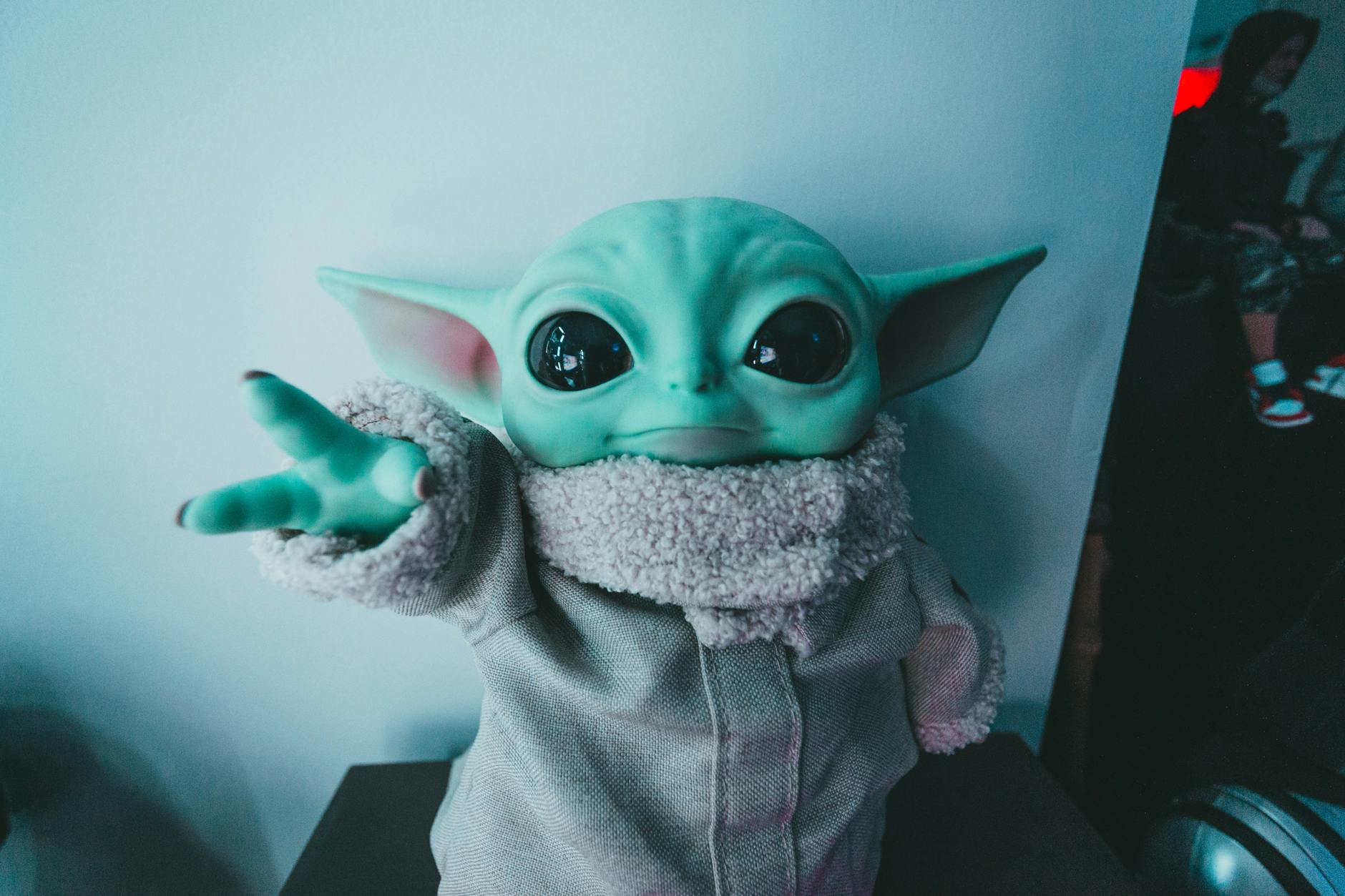
For many long-time fans, The Mandalorian offered a much-needed return to core franchise sensibilities when it debuted. It successfully tapped into the original trilogy’s spaghetti western aesthetic, centering on a lone, silent bounty hunter chasing bounties across the Outer Rim. Its immediate success established the baseline for Disney+’s commitment to high-quality Star Wars television. The introduction of Grogu (Baby Yoda) served as an instant, deeply emotional anchor, driving viewership through sheer adoration for the found family dynamic set against a backdrop of blaster fights and Beskar armor.
The Appeal of High Stakes and Gritty Realism in Andor
In sharp contrast, Andor eschewed flashy lightsaber duels and Jedi lore to focus on the origins of the Rebellion. Set five years before Rogue Wars, the series positions itself as a political thriller draped in the bleak aesthetic of occupied territories. It explores the slow, grueling process of radicalization, showing how ordinary citizens—factory workers, bored corporate employees, and cynical thieves—are slowly pushed into open defiance against the Galactic Empire.
This grounded approach is perhaps Andor’s greatest strength. It dedicates significant time to world-building that feels lived-in and bureaucratic. We see the inner workings of Imperial security, the agonizing moral compromises required for early resistance movements, and the sheer danger inherent in simply speaking out against the regime. Characters like Cassian Andor, Luthen Rael, and Mon Mothma are forced to make excruciating ethical choices, making the high stakes feel personal and earned rather than plot-driven.
Exploring the Cultural Impact: Mandalorian vs Andor Viewing Experiences
The viewing experience for each series is drastically different. The Mandalorian is accessible and instantly gratifying. Its episodic structure often features standalone adventures—a planet of the week, a rescue mission, a showdown—which makes it excellent comfort viewing. It expertly weaves established lore, such as Moff Gideon’s Imperial remnants and the history of Mandalore, into an overarching quest narrative. For fans starved for classic Star Wars action, Din Djarin and Grogu provided exactly that: mythic heroes battling overwhelming odds.
Andor, however, demands patience and attention. Episodes frequently build tension slowly, often focusing more on dialogue and surveillance than action sequences. While celebrated by critics and many dedicated viewers for its superior writing and mature themes, this style occasionally alienated casual viewers expecting faster pacing. It successfully creates a narrative where the triumph isn’t a sudden victory but the culmination of careful planning and immense personal sacrifice.
Production Values and Direction
When comparing production values, both shows stand as industry benchmarks. The Mandalorian pioneered the use of “The Volume,” an immersive LED screen technology, setting a new standard for on-set virtual production that made its alien worlds feel tangible. The design of Star Destroyers, the crispness of the Beskar armor, and the sheer scope of its planetary vistas are undeniable triumphs of modern sci-fi production.
Andor matches this commitment to visual quality but channels it into different areas. Its focus is on texture—the dingy concrete of the Imperial prison on Narkina 5, the oppressive uniformity of the corridors, and the quiet desperation in the eyes of its extras. The stark lighting and masterful sound design in Andor contribute to its oppressive atmosphere, lending a weight that few Star Wars properties have ever achieved.
The Role of Canon and Lore Deep Dives
A key differentiator in the fan debate often centers on how each series interacts with the established Star Wars canon. The Mandalorian thrives on rewarding existing knowledge. Seeing Ahsoka Tano wielding her white blades, the appearance of Luke Skywalker, or the implications of the Darksaber are moments designed specifically to thrill those deeply invested in the animated series and prequel lore. It functions beautifully as a continuation of the post-Return of the Jedi timeline.
Andor, conversely, is praised for requiring almost no prior knowledge to enjoy its narrative quality, yet it enriches the canon immeasurably. It takes concepts previously introduced only in passing—like the bureaucratic hellscape of the Imperial Security Bureau (ISB) or the political machinations of the Senate—and transforms them into a compelling, complex tapestry. It fundamentally explains how the Rebellion actually began, grounding the grand space opera in recognizable political struggle.
Ultimately, the supremacy debate highlights the evolving nature of the Star Wars universe. The Mandalorian capitalized on nostalgia and adventure, offering a modern take on the space western archetype. Andor took a massive creative risk, delivering a dense, mature drama that proved Star Wars could thrive without relying on Jedi or the Skywalker saga. Whether a viewer prefers the excitement of the lone wolf or the slow burn of the revolutionary, both series have cemented their places as pivotal entries in the modern Star Wars canon, proving that the galaxy far, far away has room for both epic adventure and sober political commentary.

