

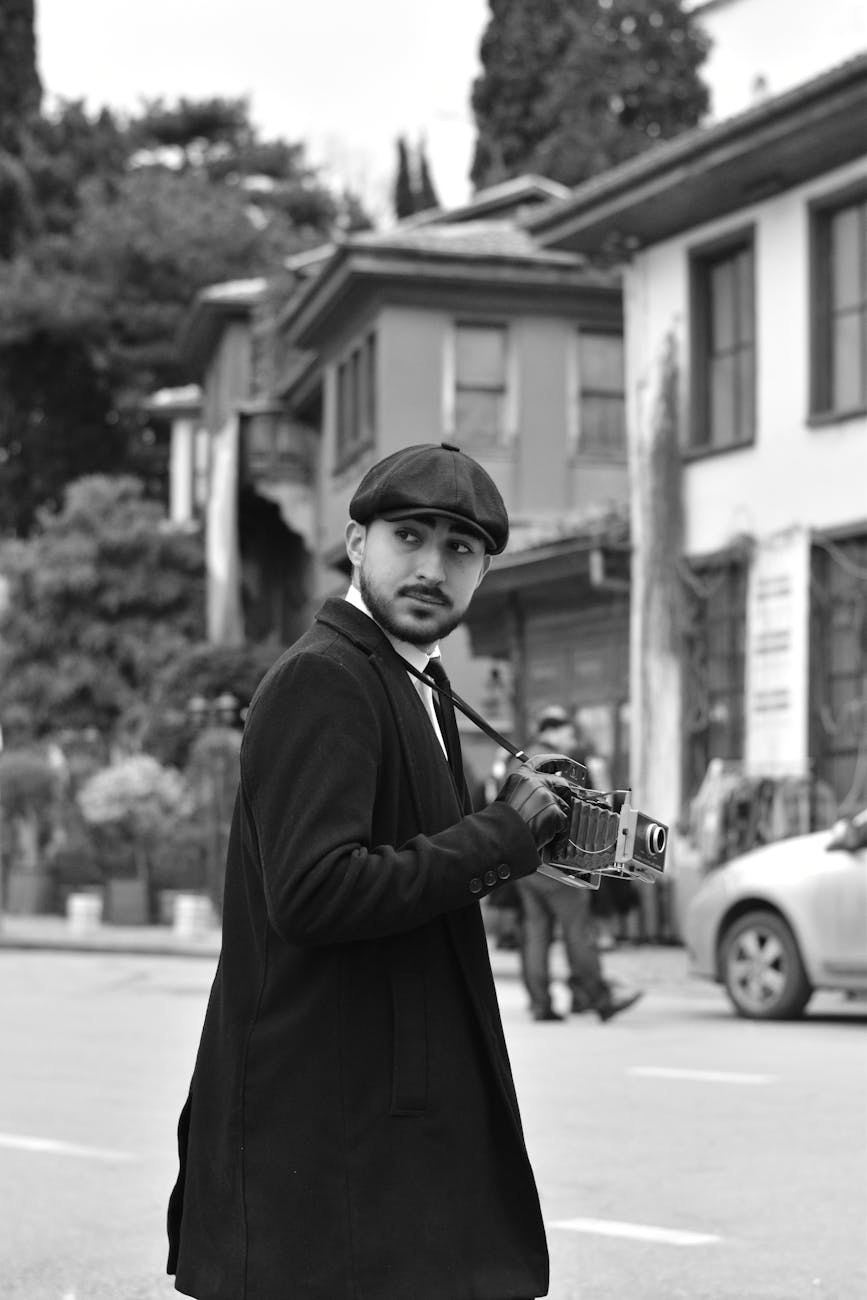
Peaky Blinders Movie: Cillian Murphy Returns as Tommy Shelby
Cillian Murphy Returns as Tommy Shelby in what promises to be a cinematic reckoning for the iconic Birmingham gangster. After six gripping seasons that charted the rise and moral descent of the Shelby crime family, the television phenomenon is making the leap to the big screen. Fans worldwide are buzzing with anticipation, eager to see the final curtain call for the man who defined 20th-century television anti-heroes. This transition from the shadowy, smog-filled streets of post-WWI Birmingham to the grand scale of cinema offers an exciting opportunity to conclude the saga with the epic scope it deserves.
The journey of the Peaky Blinders television series, created by Steven Knight, has been one marked by intense drama, sharp tailoring, and unforgettable performances. At its core, however, has always been Thomas Shelby, a complex tapestry of war trauma, ambition, unparalleled cunning, and deep internal conflict. Murphy’s portrayal—the piercing blue eyes, the subtle nod, the perfectly slanted flat cap—became synonymous with the show’s success. The announcement that he is officially reprising the role confirms that this cinematic endeavor is not just a continuation, but the definitive ending fans have craved.
The Evolution of Thomas Shelby: From Trenches to Triumph
Thomas Shelby’s story has always been intrinsically linked to the aftermath of the First World War. He emerged from the mud of the trenches scarred, both physically and psychologically, and channeled that dormant violence into building an empire. Over the course of the series, we watched Tommy navigate political intrigue, bootlegging empires, feuds with the IRA and the Italian mafia, and personal tragedy. He was haunted by Polly Gray, driven by the memory of Grace, and constantly battling his own demons.
The television finale left many major threads dangling, providing the perfect set-up for a feature film. Tommy, having narrowly escaped death yet again, seemed to be stepping away from the active leadership role, ostensibly due to a grim diagnosis. However, the nature of Thomas Shelby is such that true quietude is an illusion. If the film is titled Peaky Blinders: The Final Chapter (or similar definitive title), it suggests that all lingering loose ends must be tied off, often violently and finally.
Filming and Production Details: Bringing the Aesthetic to the Big Screen
Steven Knight has maintained a very clear vision for the series, emphasizing historical context and atmosphere alongside the family drama. Moving to film necessitates a scaling up of this aesthetic. We can anticipate richer cinematography, larger set pieces, and potentially filming locations that evoke the grander scale of the 1930s global stage into which the show had progressed.
One critical aspect will be maintaining the gritty, almost hallucinatory quality that defined the show’s visual language. From the smoke-filled pubs to the sprawling estates, the visual style was as much a character as any gang member. For the film, expect the production design to immerse audiences completely back into the distinctive world of the Shelby family, perhaps trading the grimy industrial outskirts for more powerful, international backdrops reflecting Tommy’s expanded criminal and political reach.
Delving Deeper: What Does Cillian Murphy Returns as Tommy Shelby Mean for the Plot?
The core mystery surrounding the blockbuster hinges on how Tommy Shelby is brought back into the fray. If the diagnosis storyline from the series finale is to be believed, his return must be motivated by something far greater than mere profit or revenge—it must be existential.
Several possibilities exist for the narrative focus:
- A Final Showdown: A confrontation with an enemy too powerful or too deeply embedded for him to ignore, forcing him out of retirement. This could involve ghosts from the war or powerful figures established in the periphery of the later seasons.
- The Salvation of the Family: Tommy’s primary motivation has always been the protection and elevation of his bloodline. The film could center on an ultimate threat to his children or surviving relatives, requiring one last great sacrifice or strategic masterstroke.
- Historical Convergence: Given the creeping shadow of European fascism in the later seasons, the film might place Tommy directly against major historical antagonists looming over 1930s Britain.
The success hinges on ensuring that this cinematic chapter provides genuine stakes that surpass those seen on TV, justifying the transition to a feature film format.
The Importance of Authenticity in the Final Farewell
For dedicated viewers, the return of Cillian Murphy Returns as Tommy Shelby guarantees the emotional anchor of the story remains intact. Murphy has consistently stated that the story must be told fully—that he only returns if the script warrants it. This suggests Knight has crafted a narrative conclusion that he believes honors the characters forged over six seasons.
The dialogue, the fashion, and the socio-political commentary must remain sharp. Peaky Blinders was never just a gangster story; it dissected class structure, the corrosive nature of unchecked ambition, and the difficulty of escaping one’s past. The film needs to synthesize these themes one final time, offering a resonant commentary before the final fade to black.
Ultimately, the cinematic adaptation of Peaky Blinders presents a rare opportunity: the chance to give an iconic television character a definitive, theatrical ending. As the production gears up, the anticipation is less about what new territory the Shelbys will conquer, and more about how the legendary Tommy Shelby will finally face his own reckoning.

