

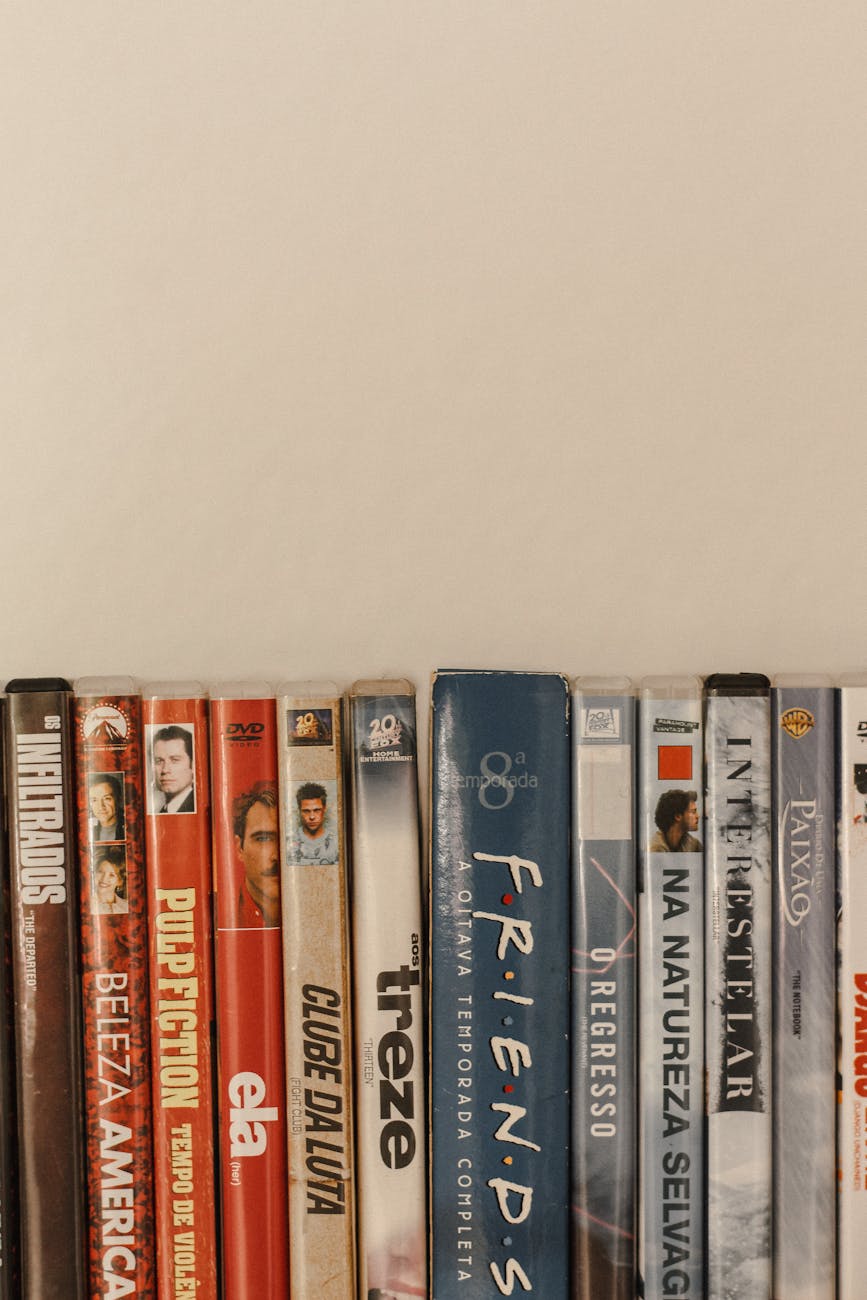
International Flux Cinema is no longer a niche market; it’s a global phenomenon reshaping the way we consume television. In an era dominated by Hollywood blockbusters and established domestic productions, foreign language series are not just breaking through noise—they are setting new streaming zone records, signaling a profound shift in audience appetite and content accessibility. This surge, driven by sophisticated global streaming platforms, has turned previously localized hits into worldwide cultural touchstones, proving that compelling storytelling knows no linguistic barrier.
The rise of subtitled and dubbed content marks a significant evolution in audience behavior. Decades ago, viewership for non-English programming was often limited to educational channels or specialized arthouse cinemas. Today, algorithms actively promote global hits, and platforms like Netflix, Amazon Prime Video, and Disney+ license and produce local-language content on a massive scale. This aggressive investment has fostered incredible quality, allowing creators worldwide to produce shows with cinematic ambition that rivals, and often surpasses, traditional US television.
The Unstoppable Momentum of Non-English Storytelling
What fueled this monumental shift? Several factors coalesced perfectly at the turn of the last decade. Firstly, improved technology made high-quality subtitling and dubbing instantaneous and widely available. Secondly, the pandemic created a captive global audience craving fresh, new narratives. People tired of the same old tropes looked outward, discovering the rich tapestry of storytelling available in Spanish, Korean, German, and beyond.
We are seeing series that excel because they anchor themselves firmly in local culture, yet touch upon universal human themes: identity, power, survival, and love. This authenticity is incredibly refreshing for viewers saturated with Westernized narratives. Whether it’s the high-stakes political intrigue of a European thriller or the poignant family dynamics captured in a South American drama, the cultural specificity adds layers of richness, not distance.
Analyzing Hits: Why Foreign Content Dominates the Charts
When a non-English series rockets to the top of global viewing charts, it’s rarely accidental. Success is often built on a combination of unique premise, high production value, and masterful marketing by the streaming giants.
Consider the impact of certain prestige productions. One major Korean drama might dominate the headlines for weeks, followed closely by a tight, character-driven Spanish mystery. These series aren’t just finding success in their home markets; they are displacing established English-language shows in countries like the US, UK, and Australia. This success isn’t merely about novelty; it speaks to the quality of the creative talent being nurtured globally. Producers are finally receiving the budgets necessary to compete visually with Hollywood productions, eliminating any remaining perceived barrier for international audiences.
The Ripple Effect on Production Budgets
The record-breaking viewership numbers translate directly into increased investment. Streaming services have realized that a successful show from one territory can instantly become a billion-dollar IP spanning dozens of markets. This financial confidence encourages local creators to take bigger swings, leading to higher quality scripts, better cinematography, and more ambitious set designs.
This virtuous cycle means that the standards for what constitutes “prestige television” are being continuously raised by international productions. If a German historical drama has a budget comparable to a US network procedural, the resulting quality gap narrows dramatically, leaving the audience as the ultimate winner.
The Cultural Export Power of International Flux Cinema
Beyond viewership hours, the secondary effects of this phenomenon are profound. These shows become massive cultural exports, driving interest not only in film and television but also in language, travel, food, and fashion associated with the production’s origin country.
For instance, the worldwide explosion of interest in K-dramas has led to measurable increases in Korean language course enrollment globally. Similarly, intricate European mysteries introduce viewers to the geography and political nuances of nations they may have previously known little about. This cultural transference is one of the most exciting aspects of this trend—it fosters global empathy and understanding through shared viewing experiences.
Navigating the Future: Sustaining the Momentum
While the current climate is overwhelmingly positive, the question remains: can this dominance be sustained? The key lies in maintaining genuine diversity in offerings. Audiences do not want a glut of imitators—they want authentic stories from diverse voices.
Streaming platforms must continue prioritizing new, emerging markets and creators from smaller film industries to avoid the “one-country dominance” trap. The excitement surrounding the next big breakout series from Norway, South Africa, or Argentina will be vital in keeping the momentum going.
Ultimately, the era of International Flux Cinema is a testament to the universal power of good storytelling. Language is a vessel, but the themes of humanity—ambition, struggle, triumph—are shared across borders. As technology breaks down distribution hurdles and viewers eagerly seek out compelling narratives, the global streaming landscape will only become richer, more varied, and decisively non-Anglocentric. The record-breaking success we see today is just the opening chapter of a new cinematic global chapter.

