

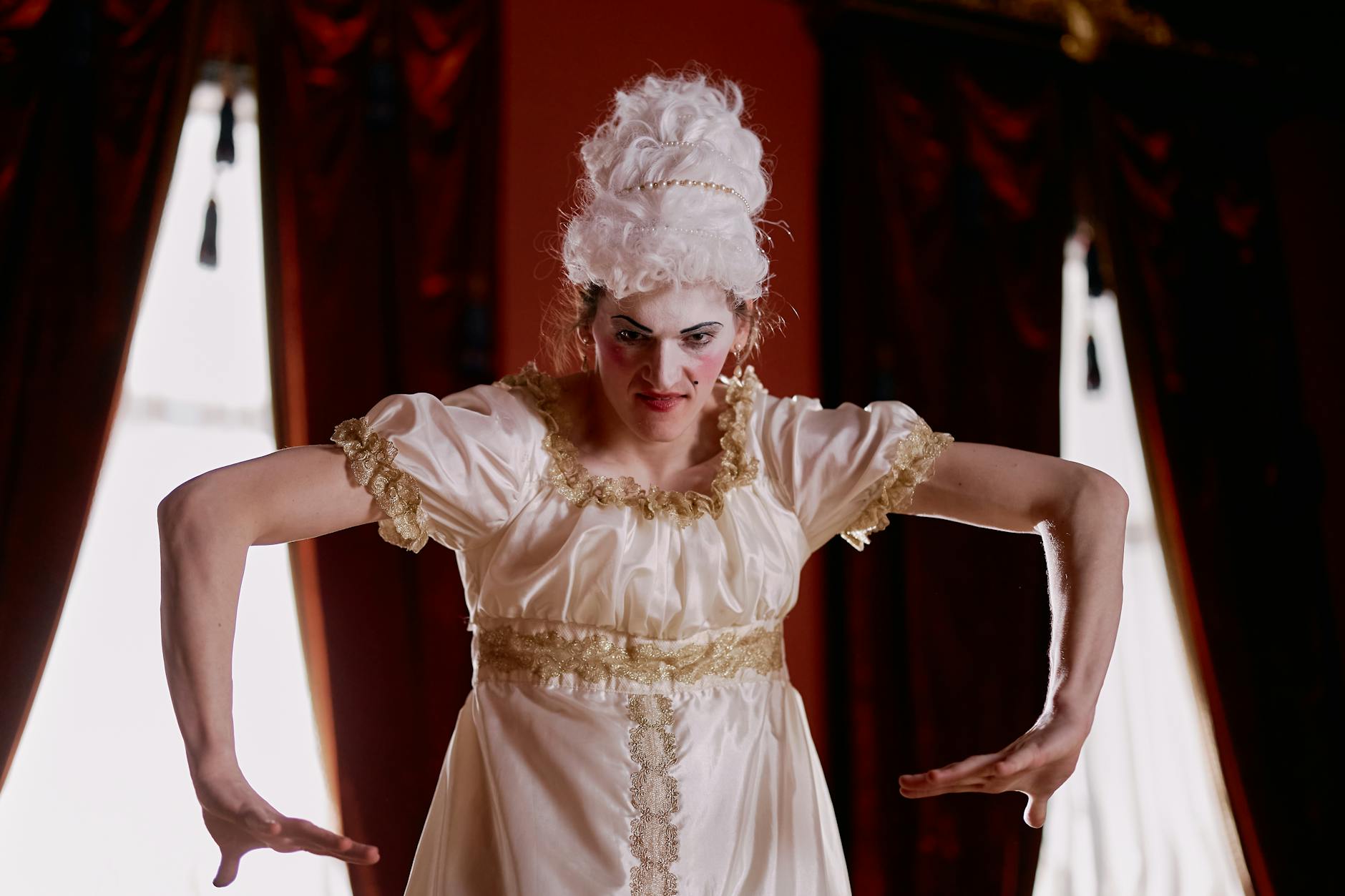
Period drama flux is more than just fancy costumes and drawing-room gossip; it represents a dynamic cultural phenomenon where past eras are meticulously recreated and reinterpreted for modern audiences. These historical series, often boasting lavish production values and intricate storytelling, offer a fascinating escape, transporting viewers to vastly different societal structures, political landscapes, and personal challenges of bygone centuries. This ongoing fascination speaks to a deep-seated human desire to witness history unfold, even if filtered through the lens of dramatic license.
The enduring appeal of these shows lies in their ability to blend rigorous historical research with compelling narrative arcs. Whether charting the machinations of Tudor courts, the rigid etiquette of Regency England, or the sweeping injustices of the American South, these series provide an immersive experience that few other genres can match. For global audiences, this “flux”—the ebb and flow between drastically different historical settings—keeps the genre fresh and constantly evolving.
The Allure of Escapism Through Historical Detail
One of the primary drivers behind the popularity of the historical series is the immersive quality of the escapism they offer. In a world increasingly defined by digital noise and rapid change, stepping into a meticulously crafted past offers a comforting sense of structure, even if that structure was historically oppressive.
Modern viewers are drawn to the palpable sense of place created by skilled set design, costume departments, and location scouting. Think of the candlelit grandeur of a 19th-century ballroom or the stark, unforgiving landscapes of Viking settlements. These details ground the drama, making the historical context feel immediate and tangible. Furthermore, while the settings change—from Georgian London to Weimar Berlin—the core human experiences—love, ambition, betrayal, and survival—remain universal, allowing contemporary viewers to connect emotionally with characters centuries removed from their own reality.
Navigating Period Drama Flux: Historical Series Transporting Zone Audiences to Different Eras
The sheer variety within the genre is what sustains its momentum. If every major production looked exactly like the last, the novelty would quickly wear off. Instead, producers are continually exploring new geographical and chronological zones, offering audiences a diverse cultural education alongside their entertainment.
From Aristocratic Rivalries to Revolutionary Fervor
Consider the current landscape. One moment, an audience might be engrossed in the high-stakes political maneuvering of the French monarchy just before its collapse, focusing on intimate palace betrayals. The next, they might shift gears entirely to a sprawling epic set in the American West, dealing with land rights, racial tensions, and the brute force required for frontier survival.
This period drama flux allows creators to explore themes relevant to today through a historical lens. Modern concerns regarding class mobility, gender roles, and societal inequality are often more palatable when viewed through the separation of historical distance. For instance, a series focused on the suffragette movement allows contemporary discussions about women’s rights to be framed within the very real, physical dangers faced by those early activists.
The Role of Technology in Modernizing the Past
Crucially, the contemporary iteration of the historical drama is not merely a slavish reproduction of the past; it is an active conversation with it. Modern filmmaking techniques—advanced cinematography, sophisticated sound design, and faster pacing—often inject new energy into what were once considered slow, staid period pieces.
This infusion of modern sensibility helps bridge the gap for audiences accustomed to high-octane contemporary storytelling. A period drama today must balance historical fidelity with narrative momentum. If the costuming is perfect but the dialogue feels stiff and archaic, the spell breaks. This balancing act requires writers to adapt historical vernacular into something that feels authentic yet accessible, ensuring that the focus remains on the universal human drama, not just the historical footnotes.
Beyond the Familiar Shores: Expanding Geographical Horizons
For many years, the epicenter of the period drama was firmly rooted in Western European history, particularly the British experience concerning royalty and aristocracy. However, the “flux” of the genre is increasingly pushing production outward, seeking out richer, less-explored historical canvases.
We are seeing significant investment in series set in Imperial China, Renaissance Italy, the Ottoman Empire, and pre-colonial Africa. These expansions offer several benefits: they introduce complex new aesthetics and power dynamics, challenge existing historical narratives often dominated by Western perspectives, and satisfy a global audience hungry for stories reflecting their own heritage or offering genuinely new cultural insights.
The challenge in these rapidly expanding zones is authenticity. Authenticity here isn’t just about getting the architecture right; it’s about understanding spiritual beliefs, social hierarchies, and daily routines that are radically different from those that inform modern Western viewership. When executed successfully, these geographically diverse dramas serve as powerful cultural ambassadors, demonstrating that history’s most compelling dramas have always unfolded everywhere.
The Future of Historical Storytelling
The trajectory of the historical series suggests continued evolution. As our understanding of history deepens, driven by ongoing academic revisionism and archaeological discoveries, so too will the texture of our on-screen portrayals. We can expect continued tension between the desire to celebrate the aesthetics of the past and the necessity of critically examining its often brutal realities.
Ultimately, the success of the genre hinges on its ability to maintain compelling human narratives amidst the spectacle. Period drama flux ensures that whether we are watching a queen fight for her throne or an ordinary person fighting for survival in a drastically different climate, the feeling of witnessing a different era first-hand remains an irresistible draw in modern media consumption. These shows are not just history lessons; they are vibrant, living portraits of what it meant to be human when the world looked, sounded, and felt entirely unlike today.

